Cross River State
Blue ID
 Photograph
Blue ID
CRS-BLU-
BAK-0148
Fish processor
- Holder
- Arit Asuquo
- Local government
- Bakassi
- Status
- Active
Ikang · 12 Mar 2026


Department of Blue Economy
Blue ID is the permanent number, the field record, and the desk in Calabar. Officers collect it where people fish, including creeks that may have no signal until evening.
Cross River State
Blue ID
PhotographBlue ID
CRS-BLU-
BAK-0148
Fish processor
Ikang · 12 Mar 2026
01
Issued once, and kept for the working life of the fisherman.
02
A full day in the community, then a sync when the signal returns.
03
The person, the boat, the engine, and every benefit received.
04
A card and a QR code an authorised officer can read.
The register
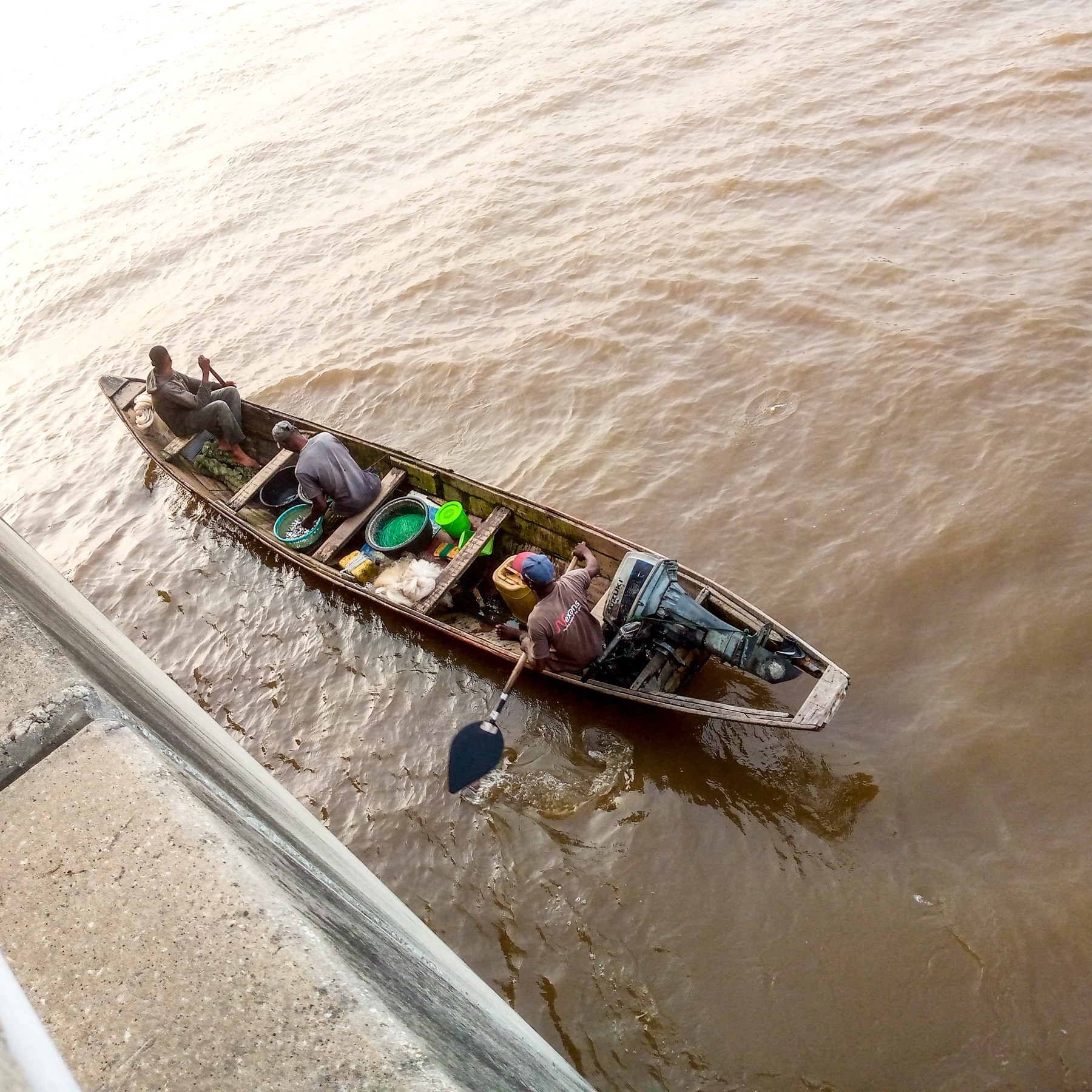
From Calabar and Odukpani to Akpabuyo and Bakassi, most fishing work sits outside any formal list. Engines, nets, training, and grants have had no sure way to reach the right person once.
The register covers all 18 local governments in the state, inland as well as the coast.
Blue ID is that list.
Three parts
01
Enumerators and fisheries officers sign in before they travel. The photograph, the boat, and the household stay on the device through a day without signal, then synchronise when the network returns. A possible duplicate is flagged for an officer. It is not deleted on the spot.
02
State, ministry, local government, cooperative, and field roles. Each office sees its own work: who is registered, where they land, and what support has already gone out. State, ministry, and local government offices can export lists as PDF, Excel, or CSV. Field enumerators and cooperative officers cannot.
03
Every verified fisherman receives a permanent number. CRS-BLU-BAK-0001 is a person in Bakassi: the state, the register, the local government, then the sequence. The card carries the photograph, the community, and a QR code.
The record
Name, photograph, gender (male, female, or other), a full date of birth or an estimated year, phone, NIN where it exists, next of kin, local government, and landing site.
Artisanal or commercial. Farmer, owner, crew, processor, or trader. Marine, river, creek, estuary, inland, or aquaculture. Years on the water, and a cooperative if there is one.
Canoe or boat, length, and photograph. Outboard engine, make, horsepower, and serial. Nets, cold boxes, ice boxes, GPS equipment, life jackets, smoking kilns, and other safety kit. More than one boat can sit on the same number.
Every local government
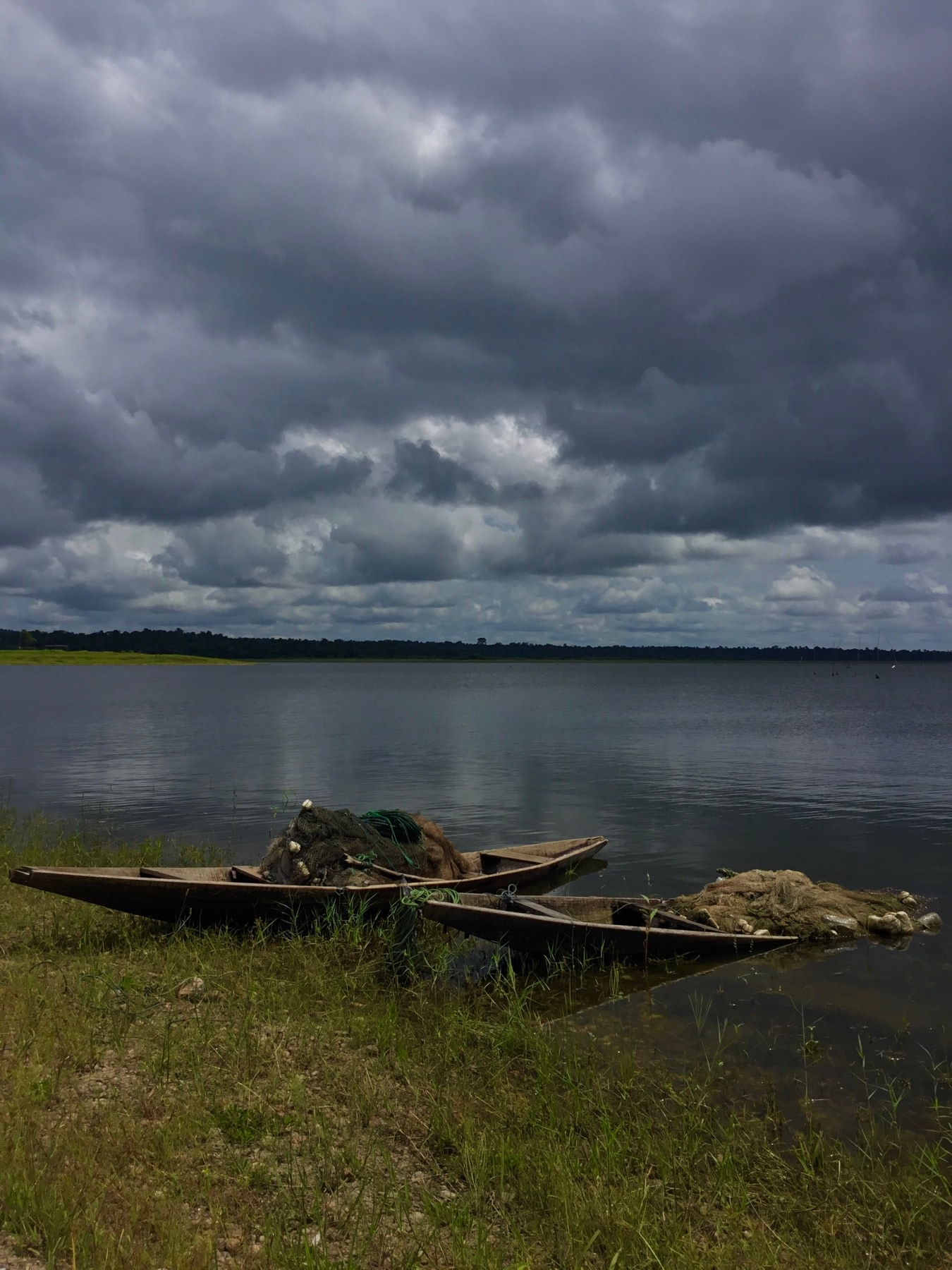
The register covers all 18 local governments. Enumerators may be limited to particular communities inside one of them. A local government office sees its own local government, not a single landing site.
Questions
A permanent number for a verified fisherman in Cross River State. It is the reference for registration, a physical card, and any government support that follows.
Artisanal and commercial fishermen, fish farmers, boat owners, crew, processors, and traders working from the coastal, creek, estuary, river, and inland communities of the state.
No. An authorised enumerator or community registration officer collects the record on a government device. The fisherman does not need to own a phone for the first registration.
The field application is offline-first. Officers sign in before they travel, capture the photograph and the record on the device, and the record synchronises when a signal returns. Nothing is dropped because the mast is down.
CRS is Cross River State. BLU marks the Blue Economy register. BAK is the local government code, in this example Bakassi. 0001 is that fisherman’s sequence. The number is issued once.
Support is recorded against the Blue ID. One active allocation is kept for each programme on that number. That does not stop someone who was registered twice, under different names. Possible duplicates are flagged for an officer to review. They are not removed on the spot.
Support, once
Engines, nets, boats, life jackets, fuel, grants, loans, kilns, cold rooms, pond inputs, insurance, and training.
Each one is recorded against the Blue ID. The register keeps one active allocation for each programme on that number. It does not stop a person who was registered twice, under different names, from being offered the same support twice. Possible duplicates are flagged for an officer to review. The department can see who is registered, what they fish with, and which communities still lack a cold room or a place to land.
Operational roles
These are the operational roles. A cooperative officer can read members and manage the cooperative. Allocating support sits with the local government and above. Approval sits with the ministry. A fisherman is registered by an officer, and does not need an account.
